FSAE EV @longhorn racing is where I’ve spent most of my time and learnt the most so far
HV battery design requires a lot of cool electromechanical concepts & challenges
My 3 years with the team:
2024 – First Year
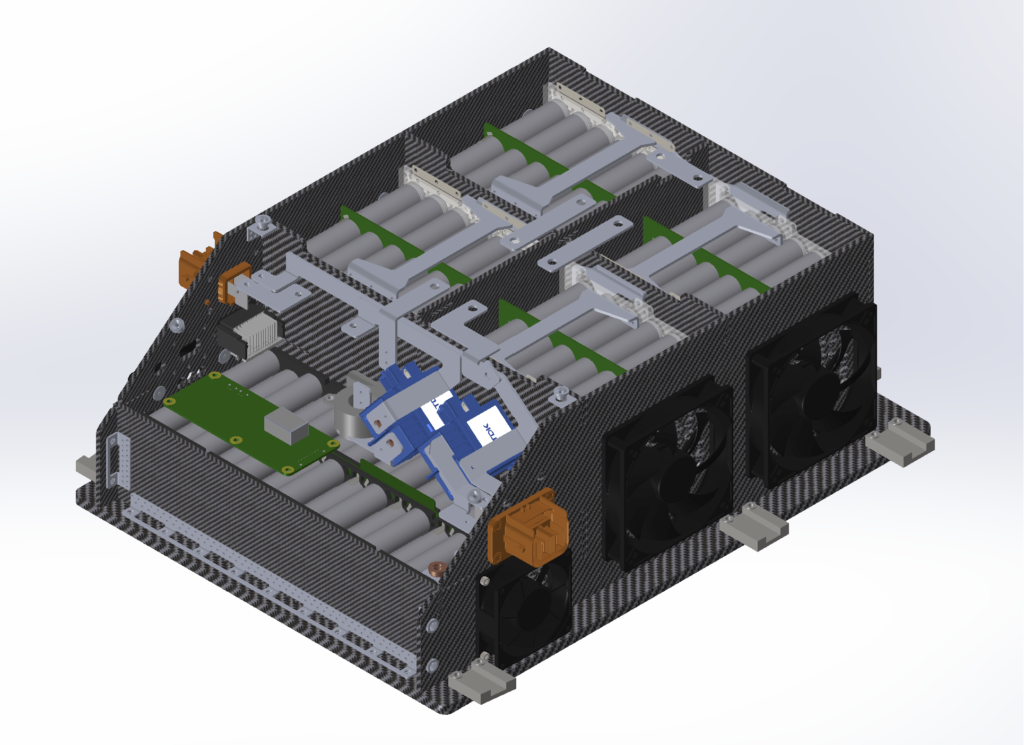
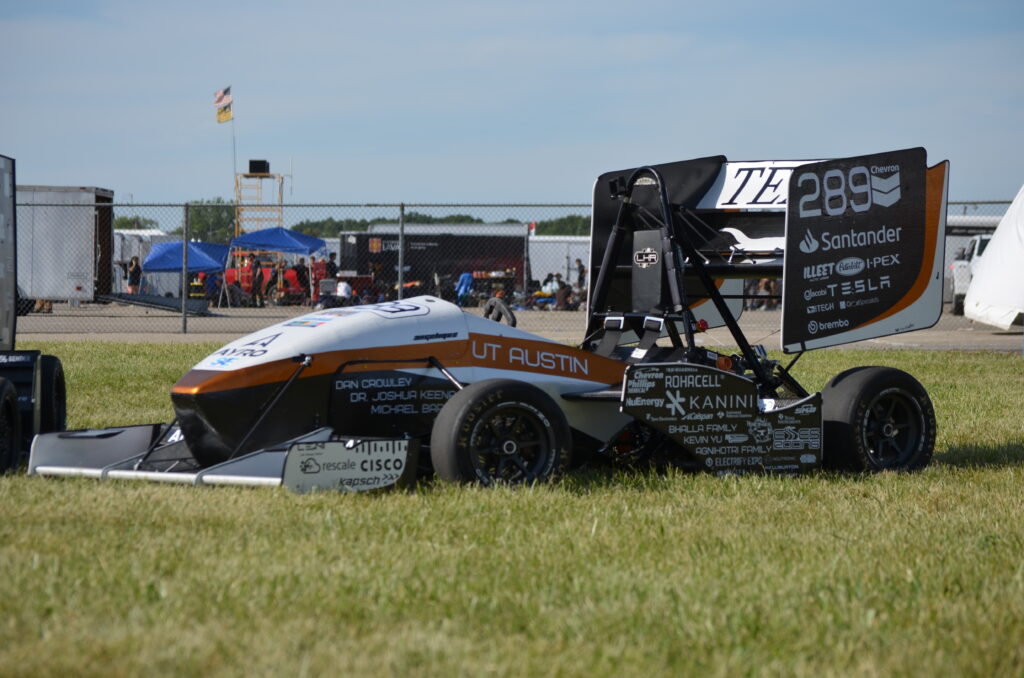
2023-2024 was my freshmen year at UT, and my first year on Longhorn Racing EV’s powertrain system. In my first semester, I learned about basic mechanical design, first principles, DFM, and electromechanical concepts. As a freshmen, I got to tackle a few projects that well informed me for the years to come, including:
- Composite analysis, testing, & manufacturing
- Manu methods (mills, lathes, creating CAM, laser cuts, 3dp, water jetting)
- First FEA sims
- Structural mount design
2025 – Battery & HV System Lead
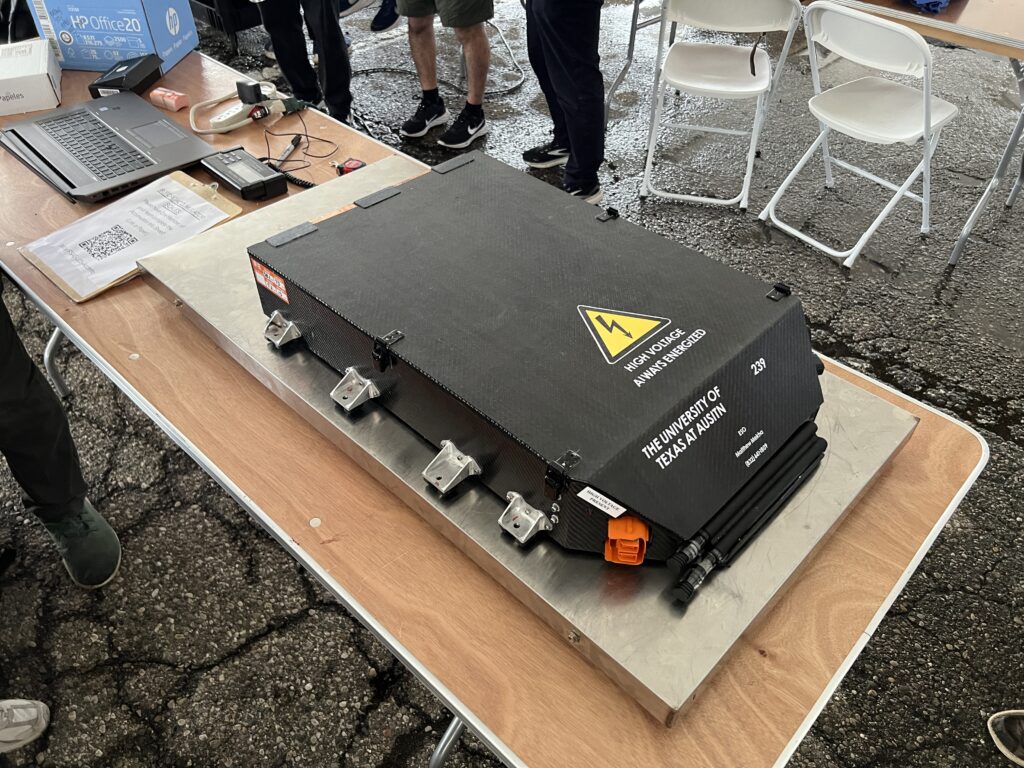
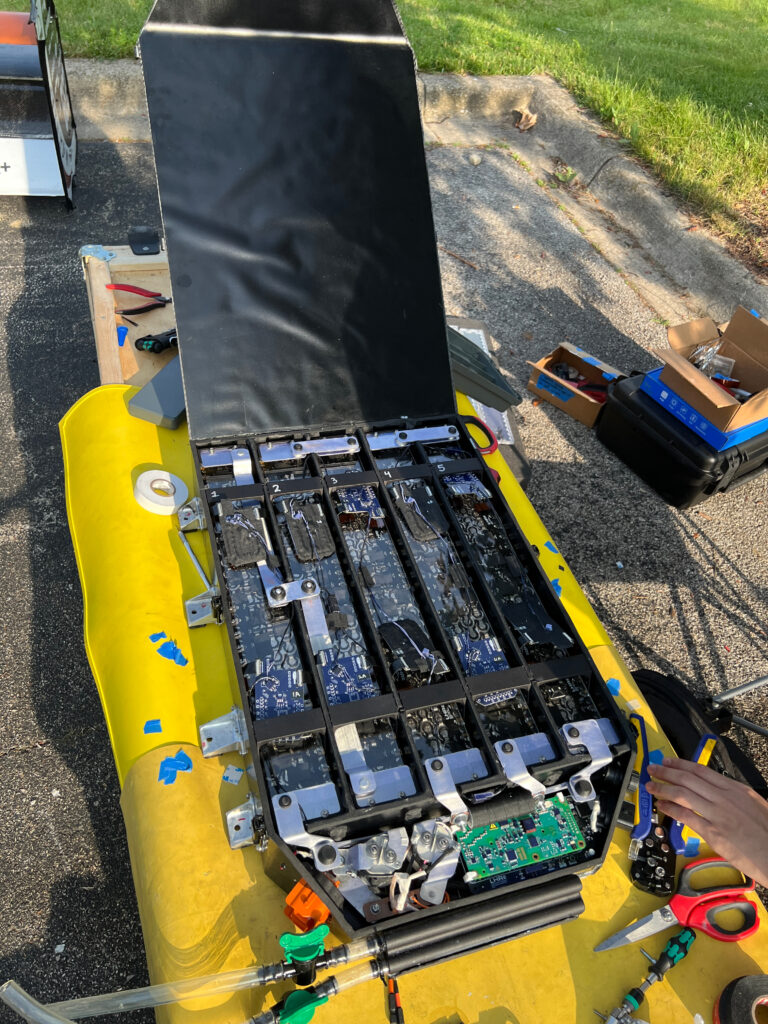
2024-2025 was my year as Lead Battery Engineer for our team. I led our analysis, design, & manufacturing of every battery component. I learned the most in my entire life in this series of months, and probably achieved what I’m hoping will be my all time mistakes for a single project. Overall challenges I tackled were:
- Electromechanical System Analysis & Architecture Design
- Thermal Systems Design & analysis
- Interface planning, ownership, timelines, & team management
- Incorporating freshmen meaningfully
2026 – Powertrain Unc
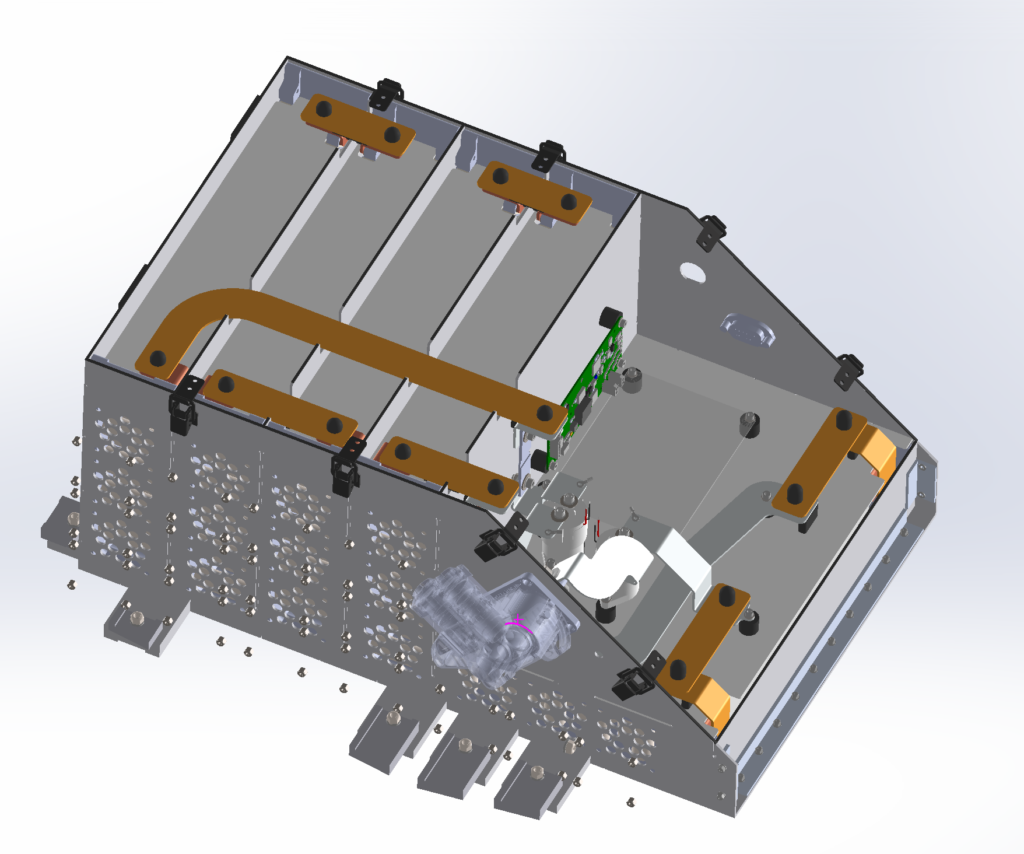
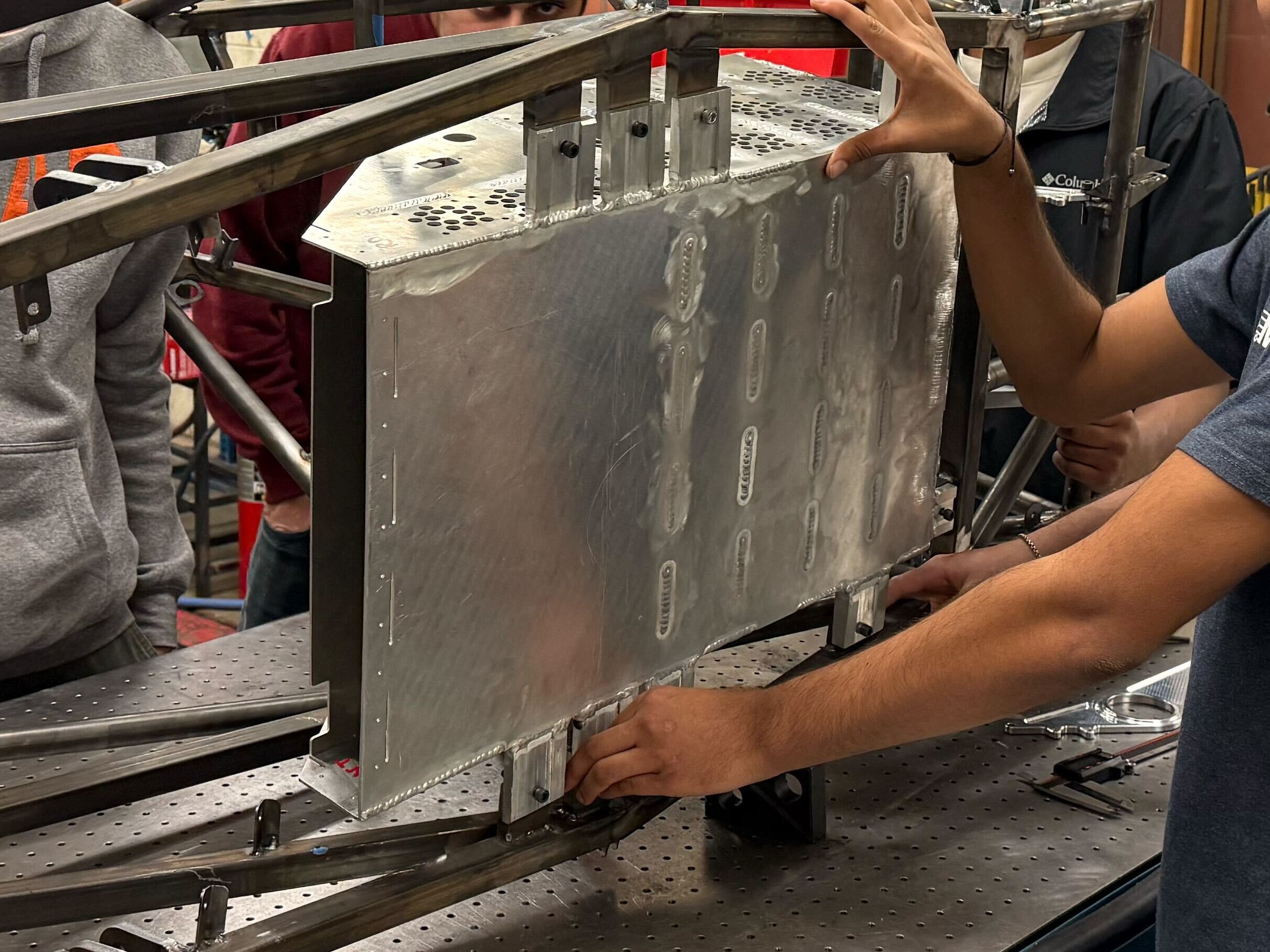
After my season as a lead, I stepped back in ownership on the team to a mentorship focused role. That being said, I got to work on some cool integrated projects to help the team, such as:
- Alu structural case design & manufacturing
- Powertrain Modeling
- focusing on mentorship
- social lead
- Kicking off skunk-works project for pouch cell battery pack poc
Quick summary of overall goals/responsibilities:
- Design high voltage accumulator to support power consumption of FSAE EV team, meeting electrical, thermal, and structural requirements
- Conduct cell, capacity, voltage, thermal, and structural architecture selections based on vehicle QSS modeling, data analysis, and experimental testing
- Validate structural & thermal design with support from FEA models, simulations, specific testing, and formal design reviews
Here’s most of the cool projects I remember and how they turned out:
| Buzzwords | Year | Challenge | How | Results |
|---|---|---|---|---|
| Data Aggregation Vehicle Modeling MATLAB | 2025 | Estimate the potential of regenerative braking energy for battery & powertrain architecture selections | – Create vehicle energy model using historical data – modeling vehicle load transfer for tracking energy losses through motor | Estimated energy return from regen to inform most volumetrically efficient battery in team history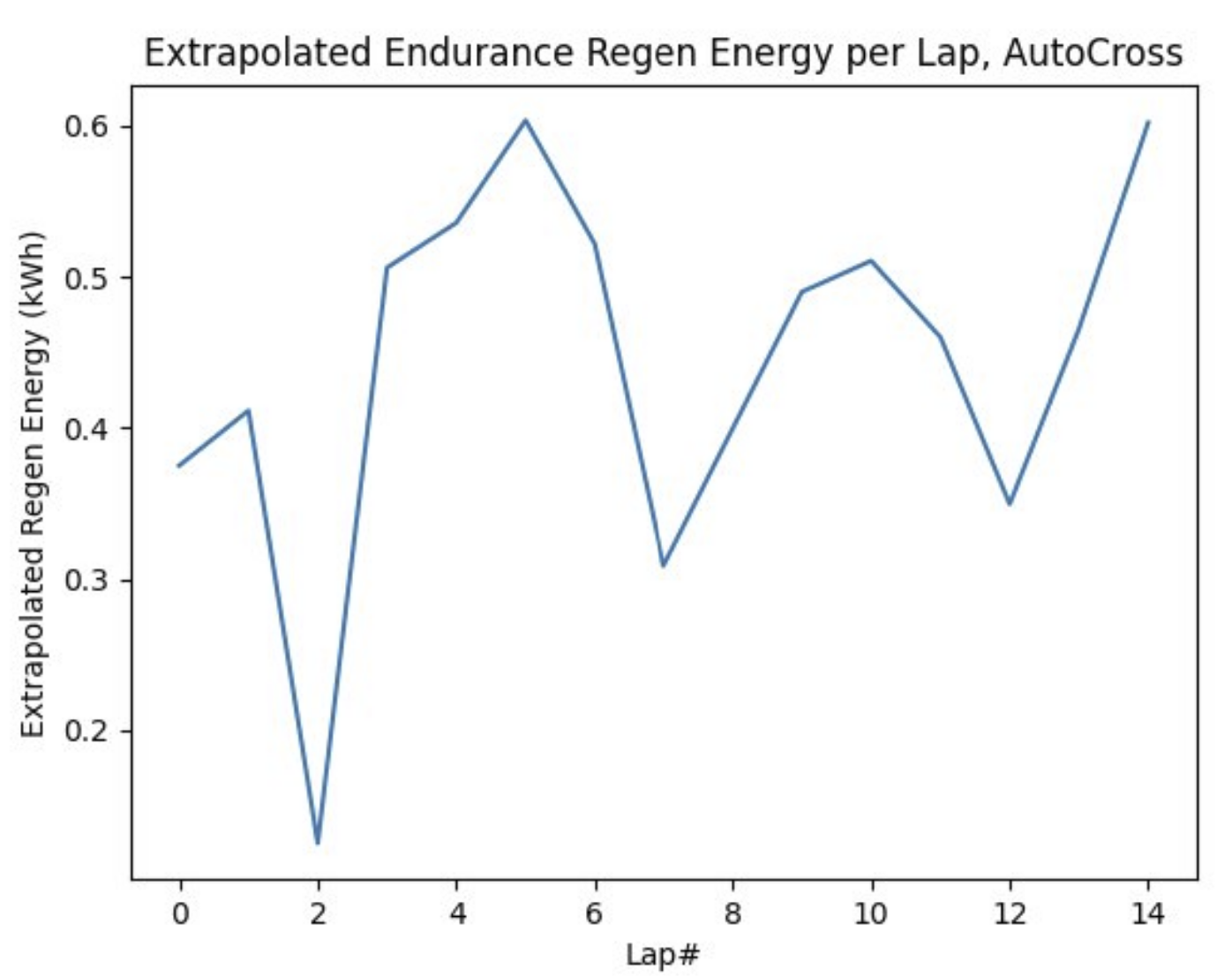 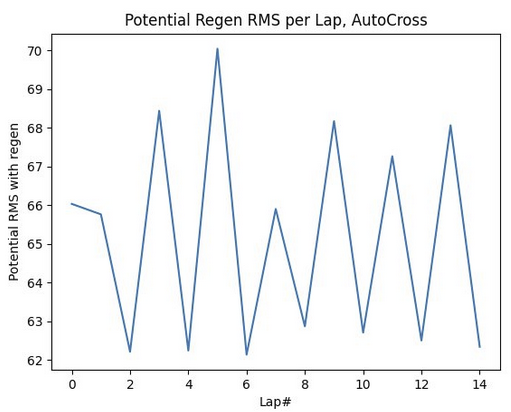 |
| Python Vehicle Modeling MATLAB | 2025 | Select operating voltage for HV chain based on drivetrain, thermal, and packaging sensitivities | Develop powertrain model to conduct voltage sweeps against torque vs. rpm motor output curve | Validated max-voltage solution for efficiency gains across HV busbars & optimal motor output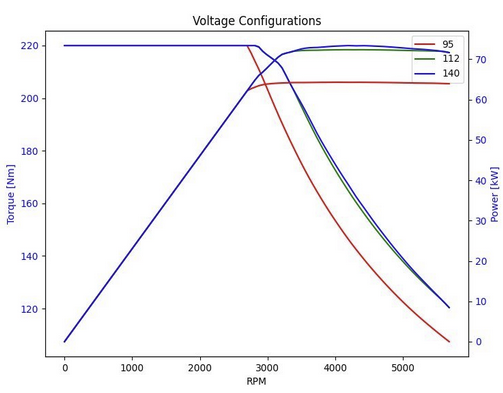 |
| Cold-Plate | 2025 | Design & validate liquid-cooling baseplate (“cold-plate”) thermal solution for improved battery -> vehicle performance | – Work with Thermal subsystem for integrated design & testing – Create Sample Segment for experimental testing manufacturing methods, insulation materials, etc | Built most energy-dense pack in team history with most efficient cooling system so far, while being lightest battery at Comp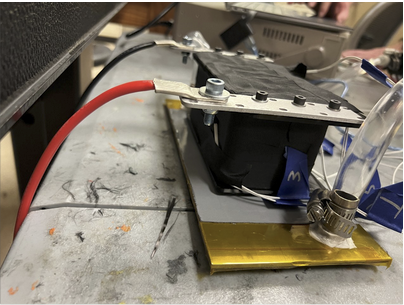 |
| Instron Testing Composite Manufacturing | 2025 | Validate composite materials for structural battery case & vehicle mounting to save weight | – Conduct composite testing with different carbon fiber schedules & cores – Use FSAE tools & sims to validate aluminum mount – composite panel integration | Swept carbon fiber with 3 different cores (Alu, Nomex, Foam) to arrive at satisfactory schedule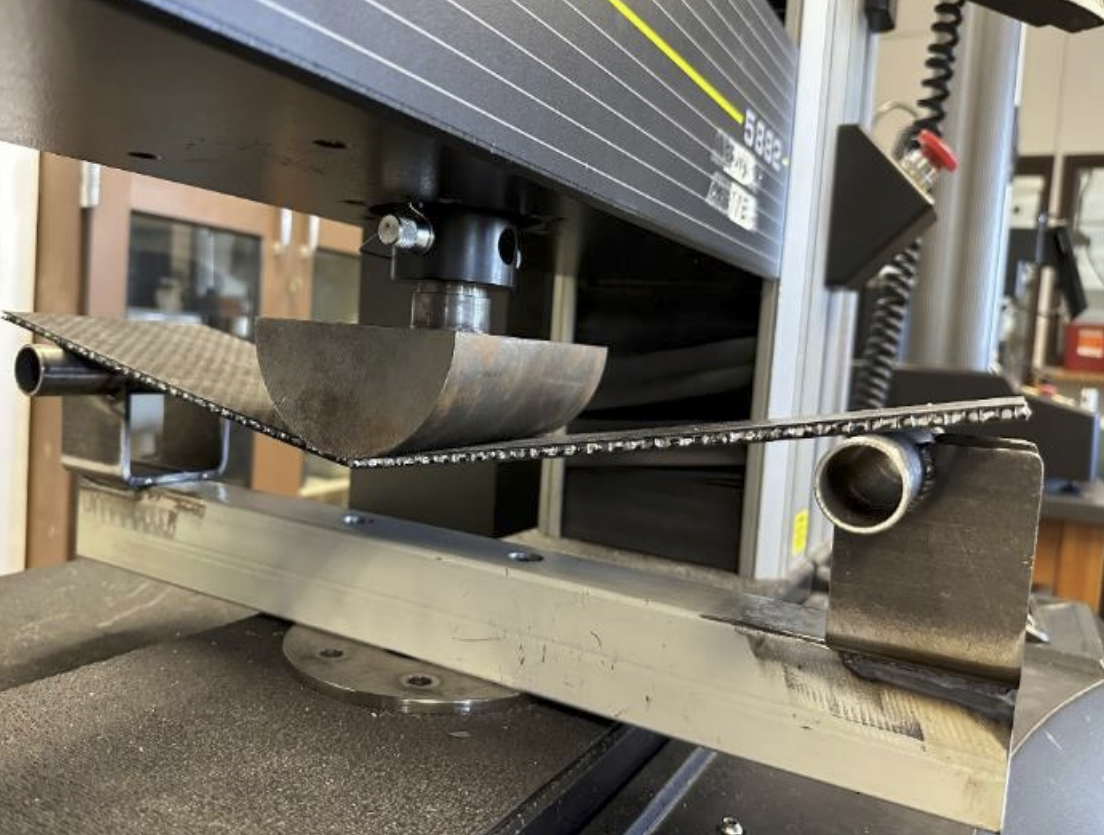 |
| DFM Tolerance Stack-ups GD&T CAD & FEA | 2026 | Design aluminum sheet metal structural case for battery, including validated DFM & mounting plan | – Design Aluminum Case & mounting scheme w/ welding plan – Include tab and slot geometry for assembly & welding accessibility – Ensure tolerance stack ups prevent over constraint in every dimension | – Designed & successfully manufactured structural case with 2.3 mm Alu panels & Alu mounts to support 55 kg battery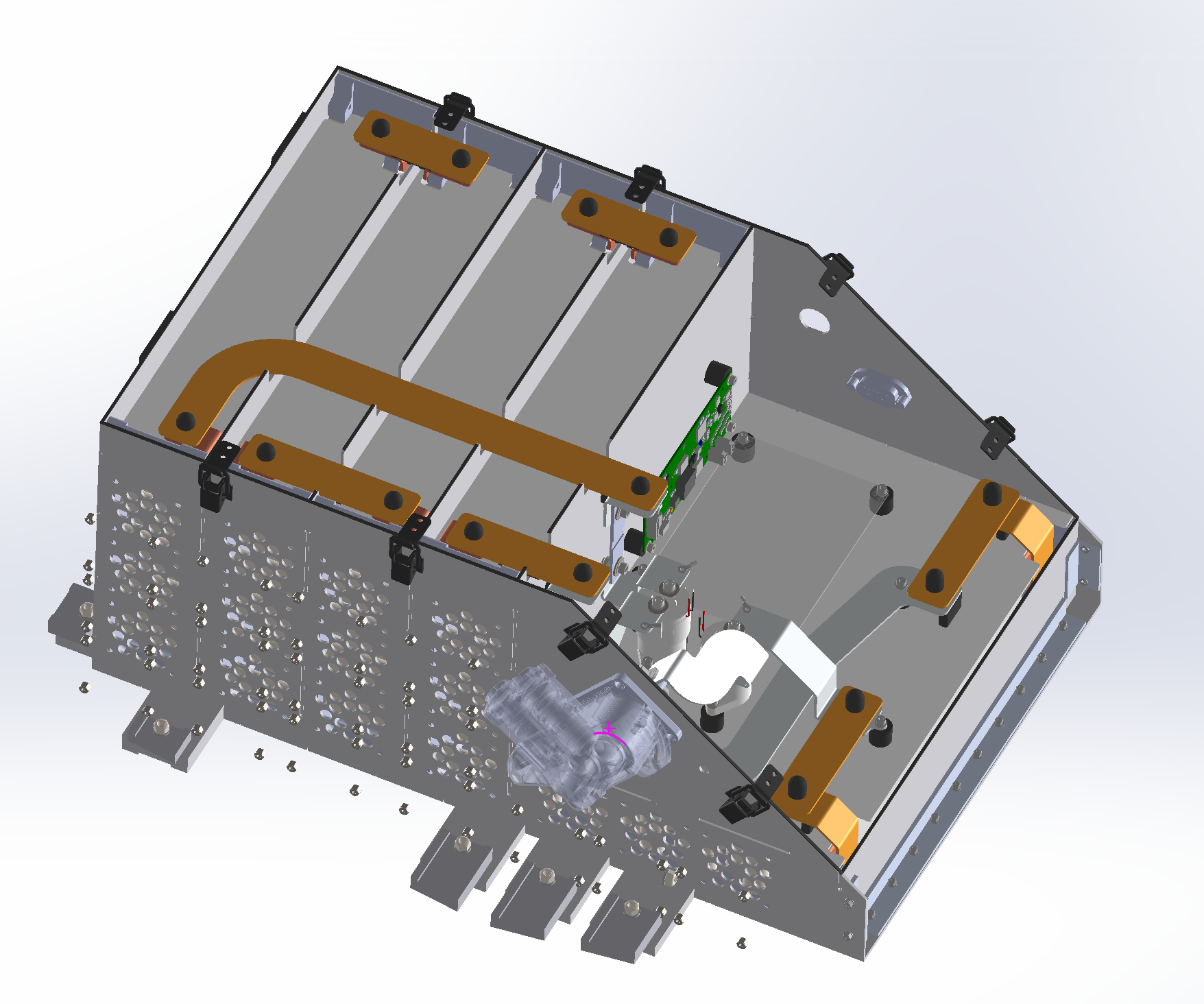 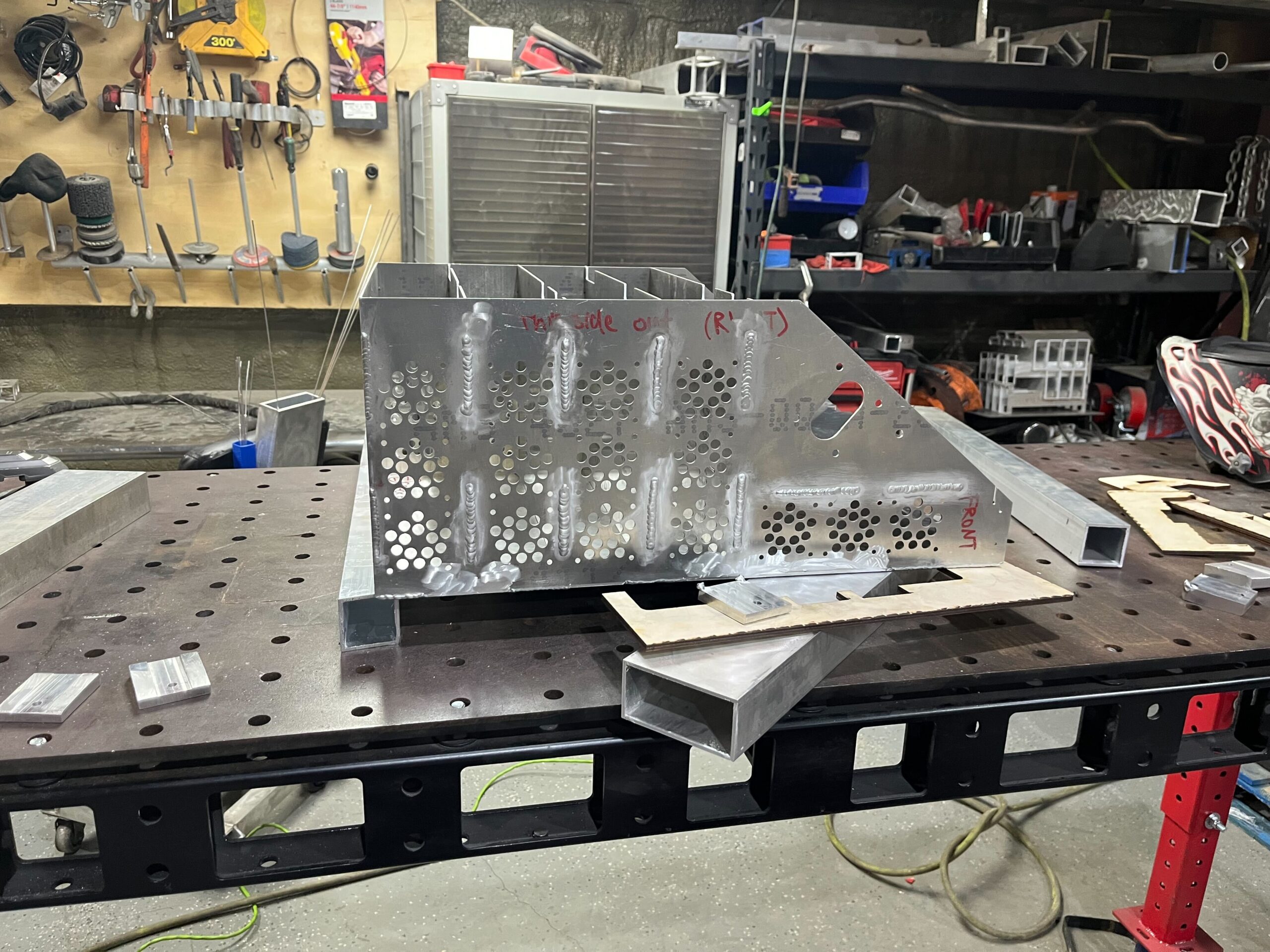 |
| DFM Tolerance Stack-ups GD&T Composites CAD & FEA | 2025 | Design composite structural case for battery, including validated DFM & mounting plan | – Design joint geometry for maximum bond overlap between composite panels – Design mounts with riveting backplates into CF panels | – Designed & manufactured carbon fiber (Alu hex core) layup – Directly contributed to being lightest battery at 2025 Comp 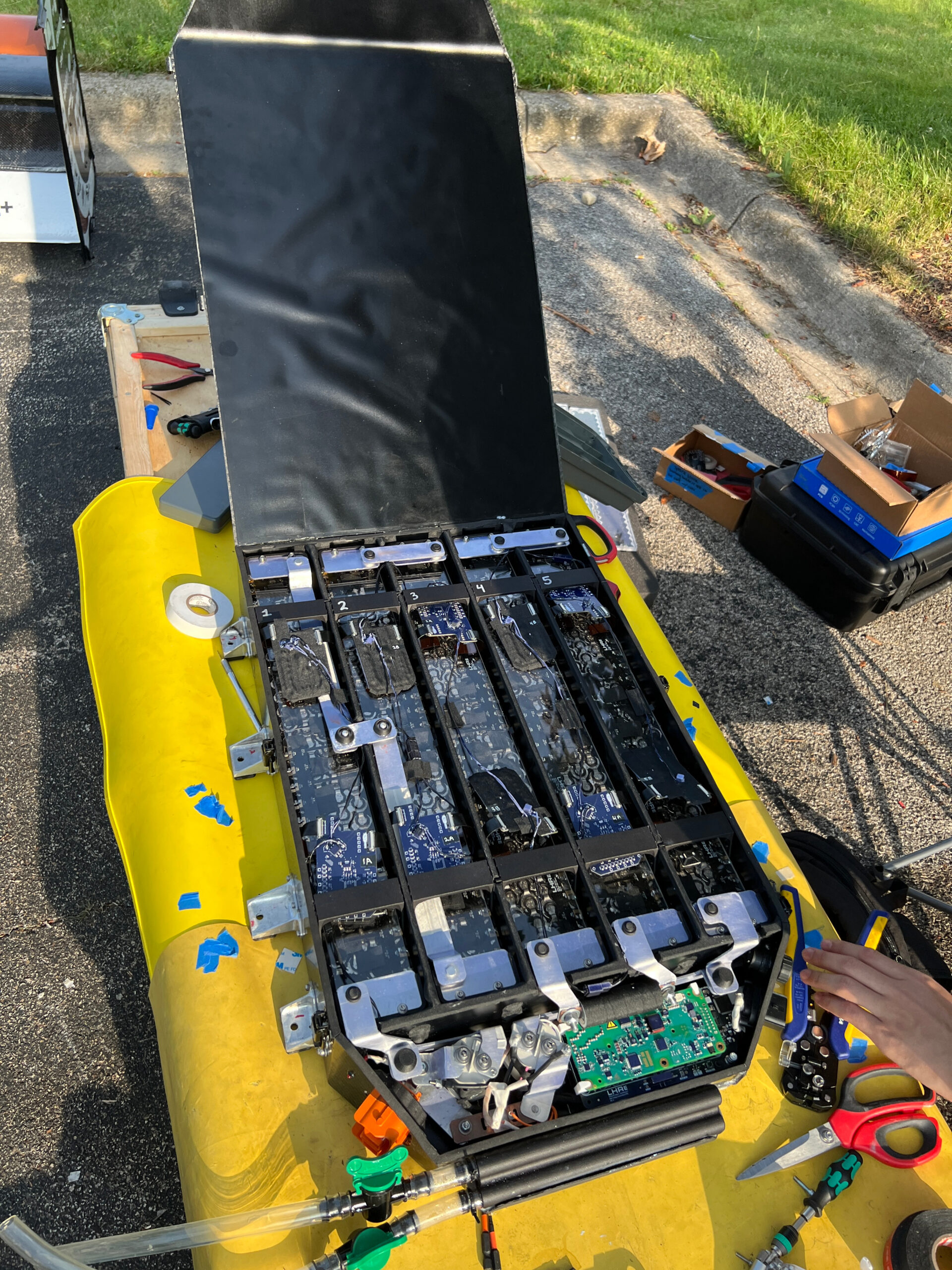 |
| Cell Modeling Data Analysis Python Matlab | 2024 | Develop estimations of cell impedance for accurate pack sizing and thermals sizing | Partner with UT battery research lab for cell cycle testing, analysis, and model development | Developed cell model that informed future investigation into regenerative braking |